Avoid congestion charge delays when moving near Embankment
Posted on 18/06/2026
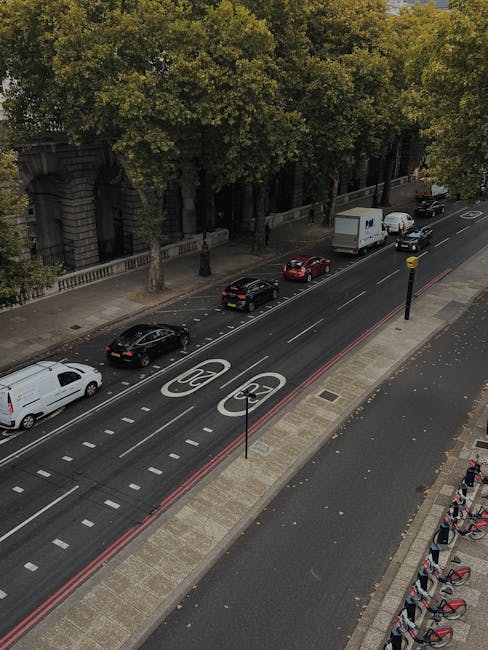
Moving around Embankment can feel deceptively simple on a map and then suddenly, at street level, it becomes a different story. Traffic builds, access windows are tight, parking is precious, and one small timing mistake can turn a smooth move into a costly queue. If you want to avoid congestion charge delays when moving near Embankment, the real secret is not just leaving earlier. It is planning the route, vehicle, loading plan, and paperwork together so the day flows properly.
That matters whether you are moving a studio flat, a family home, an office, or a single heavy item. The central London road layout, nearby loading constraints, and time pressure around the Embankment and Temple area can all work against you if the move is treated like a normal suburban job. In this guide, we will break down what actually causes delays, how to reduce risk, and what practical steps make the biggest difference on the day. Nothing fluffy. Just the stuff that helps.
Why Avoid congestion charge delays when moving near Embankment Matters
Embankment sits in one of those parts of London where traffic is never just traffic. It is taxis pulling in and out, delivery vans trying to find a stopping point, buses inching along, and pedestrians crossing in bursts. Add moving day pressure, and even a short route can become awkward. If your vehicle is caught in the wrong place at the wrong time, you can lose minutes quickly, then hours, then a good portion of the day. And on moving day, time is the thing you cannot stretch.
The congestion charge is only one part of the picture, but it tends to create a chain reaction. A delayed arrival may mean missing a booked access slot, losing a parking space, paying more for waiting time, or having to reschedule a lift into a building with restricted access. Truth be told, the money issue is annoying; the stress issue is worse. Nobody wants to stand on a pavement at 8 a.m. looking at a van that is stuck two streets away because the route was optimistic.
There is also the human side. If you are moving fragile items, a piano, awkward furniture, or a property's entire contents, the difference between a calm start and a frazzled one is huge. For some moves, especially in nearby Temple and WC2 streets, a small delay can cascade into missed loading windows and extra handling. That is where planning starts paying for itself.
For broader move planning, it can help to read practical guidance on best routes for WC2 moves around Temple and Strand and route and parking planning near Temple Church. Those local details matter more than most people expect.
How Avoid congestion charge delays when moving near Embankment Works
In simple terms, avoiding delays is about removing friction before the van even starts moving. The most common friction points are traffic timing, vehicle access, stopping restrictions, driver uncertainty, and last-minute loading problems. Once you understand those, the route becomes easier to control.
Think of the process in layers:
- Timing: deciding when the van enters central London, not just when it leaves the depot or home.
- Routing: choosing roads that are realistic for a van, not just shortest on paper.
- Access: making sure the property, building manager, and street layout can support a clean handover.
- Vehicle choice: using the right-size van so you are not forcing a large vehicle into a cramped route or under-loading and making extra trips.
- Operational discipline: having everything packed, labelled, and ready so the loading stop is brief.
The congestion charge itself is not the only issue. In central London, a vehicle can be delayed by road layout, loading bays filling up, narrow turns, and general day-to-day movement. That is why people who try to "wing it" often end up paying more in time than they would have spent in preparation. A move near Embankment is one of those jobs where half an hour of planning can save an entire afternoon.
If you need a broader overview of how a removal service is structured, the services overview gives a useful sense of the moving parts, while local removals support in Temple is often the sort of help people look for when they want the day handled without drama.
Key Benefits and Practical Advantages
When the planning is done properly, the benefits are very obvious. Not dramatic, just obvious. You start on time, the building team sees a professional approach, and the move feels controlled rather than frantic.
- Fewer waiting charges: less time sitting in traffic or searching for access.
- Better chance of keeping access slots: important for flats, offices, and managed buildings.
- Less stress for everyone: you, the driver, and anyone helping with loading.
- Safer handling: fewer rushed lifts and fewer awkward carry distances.
- Lower chance of repeat journeys: a well-planned move usually means the right vehicle and the right sequence.
- Cleaner client experience: especially useful if you are moving out of a rented property or relocating a business.
The practical advantage is not just speed. It is rhythm. A smooth move has a rhythm to it. Boxes go out in order, bulky items are handled once, and the van leaves when it should. That sounds simple, but in central London it is half the battle.
Expert summary: If your move near Embankment involves timed access, limited stopping space, or a congestion charge exposure window, your success depends on pre-planning more than on speed. Fast is good. Coordinated is better.
For packing and home prep, useful supporting reading includes packing advice that reduces moving-day hold-ups and decluttering guidance that cuts load volume before the van arrives.
Who This Is For and When It Makes Sense
This approach is most useful if your move touches central London roads where timing and access are tight. In practical terms, that includes:
- Flat moves in and around Embankment, Temple, Strand, and nearby WC2 streets
- Office relocations with a fixed handover window
- Student moves where speed matters and budgets are tight
- Single-item moves, especially bulky or awkward pieces
- Moves involving stairs only, lifts with booking windows, or concierge-managed buildings
- Short-notice jobs where there is very little room for error
It also makes sense if you are already feeling that familiar London headache: "There is parking somewhere nearby, surely?" Maybe. But maybe not at the exact moment you need it. That is why even small jobs near the river or the Strand can benefit from the same planning mindset as a larger house move.
If you are handling something especially awkward, the guidance in safe lifting for stair-only flats in Temple and urgent same-day removals in Temple can be helpful. One is about physical access, the other about time pressure. Often you need both.
Step-by-Step Guidance
1. Map the move around access, not just distance
Start with the property, the loading point, and the likely route out of central London. The shortest route is not always the most practical route. A slightly longer path with fewer turns, easier van access, or more predictable traffic can be the smarter option.
2. Decide the vehicle size early
This is one of the biggest decisions people leave too late. A vehicle that is too large may struggle with access; a vehicle that is too small may need multiple trips. Either way, delay creeps in. If you are unsure, a man with a van in Temple or a dedicated removal van can be the more efficient option than improvising with a personal car and a lot of optimism.
3. Prepare items before the van arrives
Boxes should be sealed, furniture protected, and fragile items separated. No one wants to spend the best part of the booking window hunting for batteries, keys, or the bag of cables that disappeared into a drawer. We have all seen that moment. It is never glamorous.
4. Build a realistic loading sequence
Heavy, awkward, and high-value items should be loaded in a logical order. If something needs a two-person carry, plan that before the van door opens. If you are moving furniture, it can help to review furniture removal support in Temple so the sequence is based on experience rather than guesswork.
5. Keep the schedule slightly loose
A buffer matters. A ten-minute buffer in central London can disappear fast, so be generous where you can. If you arrive early and the access point is ready, brilliant. If not, at least you are not immediately behind schedule.
6. Confirm the plan on the morning of the move
Check the vehicle, route, keys, lift bookings, and contact numbers. Morning-of confirmation is boring, but it is the kind of boring that saves the day. To be fair, boring is underrated in removals.
Expert Tips for Better Results
Here is the part that tends to separate a tidy move from a headache.
- Choose the loading window first, then everything else. Central London moving success often depends more on the window than the van.
- Use labelled zones. Put "kitchen," "bedroom," and "fragile" in different parts of the property so loading is quicker.
- Pre-break large furniture if possible. Flat-pack items and dismantled beds are easier to move and easier to position in the van.
- Avoid peak-pressure assumptions. "It should only take ten minutes" is usually how central London jobs become 35-minute ones.
- Use proper lifting methods. If you are helping carry, read practical lifting mechanics for moving day and heavy-lifting advice for solo handling before you lift anything awkward.
Here is a small but important one: keep essentials in a separate bag. Phone charger, tea bags, medication, documents, tape, scissors. The usual suspects. When the day gets noisy, you will be glad you did. I have seen people search through twelve boxes for a kettle lead while the van is already waiting outside. Not ideal, to say the least.
If storage becomes part of the plan, storage in Temple can be a sensible bridge between addresses, especially if your access dates do not line up neatly.
Common Mistakes to Avoid
Most moving delays near Embankment are avoidable. The repeat offenders are fairly predictable.
- Leaving route planning too late: especially risky if the move is on a weekday morning or end-of-day window.
- Assuming all vans are equal: size, turning circle, and loading ease all matter.
- Ignoring building restrictions: some properties are more demanding than they look from the street.
- Not accounting for unloading time: a short drive can hide a long hand-carry.
- Overpacking boxes: slows lifting and increases breakage risk.
- Forgetting seasonal traffic quirks: school runs, rain, event traffic, and tourist footfall all change the rhythm of central London.
Another classic mistake is trying to save a small amount by skipping preparation, then paying more later in time and stress. It sounds harsh, but it is usually true. The cheap option is not always the cheaper option.
For people moving delicate or specialist items, it is worth reading DIY versus professional piano moving considerations and bed and mattress transport advice so the item itself does not become the delay.
Tools, Resources and Recommendations
You do not need a complicated toolkit. You need a practical one.
- Moving labels and marker pens: for quick box identification
- Protective wraps and blankets: especially for furniture and hard edges
- Measuring tape: useful for confirming doorway and lift fit
- Phone maps and note-taking: keep access instructions and timing notes together
- Spare tape and simple tools: because small fixes always come up
- Printed or saved route notes: useful if signal drops at the wrong moment, which happens more than people like
If you want packing to run more cleanly, the article on packing efficiently before moving day is a solid companion piece. For people who are juggling cleanup as well, deep-clean advice before moving out can also help avoid last-minute hold-ups.
Households with stored appliances or sofas may also find sofa storage advice, freezer care during inactive periods, and correct freezer storage methods useful if the move is split across dates.
Law, Compliance, Standards, or Best Practice
For London moves, compliance is mostly about being careful, prepared, and respectful of local access conditions. The exact rules can vary by street, property, time of day, and vehicle use, so it is wise to check the practical details well before the day. That means understanding where stopping is allowed, whether building access is booked, and whether the vehicle choice fits the route and the property constraints.
Best practice also includes clear communication. Building managers, residents, and the moving team should all know the timing and access plan. If you are moving from a managed block, a short confirmation message can prevent a long delay later. Simple, but effective.
From a safety perspective, anyone lifting should do so within their limits and use proper technique. UK moving work is expected to follow sensible health and safety standards: not rushing, not overloading, and not making a dangerous lift look routine. If a piece is too heavy or too awkward, stop and re-plan. There is no medal for stubbornness.
For more on how the business handles safety and service expectations, these pages are useful background reading: health and safety policy, insurance and safety information, and about the company.
Options, Methods, or Comparison Table
Different move setups work better for different Embankment scenarios. Here is a straightforward comparison.
| Method | Best For | Pros | Trade-offs |
|---|---|---|---|
| Self-managed van hire | Very small moves with flexible timing | Low control over scheduling costs; direct handling | You handle route planning, loading, parking, and risk yourself |
| Man and van | Small to medium moves with time pressure | Flexible, practical, often quicker to organise | Still needs good access planning and clear instructions |
| Full removals service | Larger, fragile, or complex moves | More support, better for awkward access and heavier items | More coordination needed, and usually more expensive |
| Split move with storage | Gap between moving out and moving in | Reduces pressure, helps with timing and access mismatch | Requires extra handling and careful item tracking |
In a narrow, high-pressure area like Embankment, the best method is often the one that reduces uncertainty, not just the one that looks cheapest on paper. That is a very London answer, really.
Case Study or Real-World Example
Consider a small one-bedroom move from a flat near Embankment to another property in central London. The client had a short access window and a building that was strict about loading times. Rather than sending the van out late and hoping for the best, the move was staged early, with boxes grouped in advance and bulky furniture dismantled the night before.
The route was chosen to avoid unnecessary turns and to reduce time spent searching for a stopping point. The van arrived with enough room for a single efficient load rather than two rushed ones. The result was plain but satisfying: no frantic calls, no repeated back-and-forth, and no awkward "we're still waiting for the vehicle" moments in the hallway. The day finished on time, and the client could actually breathe again.
That kind of outcome is not luck. It comes from the quiet bits of planning most people skip. A move near Embankment does not have to be difficult. It just has to be treated like a central London job, because that is what it is.

Practical Checklist
Use this before moving day. It is simple, but it works.
- Confirm the moving date, access window, and building rules
- Choose the right vehicle size for the job
- Check the route into and out of Embankment or nearby WC2 streets
- Pack and label all boxes clearly
- Dismantle large furniture where possible
- Protect fragile items and mark them plainly
- Keep essential documents, keys, and chargers separate
- Prepare a loading order so the van is used efficiently
- Allow a buffer for traffic and building delays
- Make sure your helpers know what they are lifting before they lift it
- Have contact details ready for the building or driver
- Double-check that nothing is left in cupboards, lofts, or behind doors
If you are dealing with a particularly tight apartment setup, flat removals in Temple can be a useful reference point for the sort of planning that keeps things moving.
Get a free quote today and see how much you can save.
Conclusion
A move near Embankment rewards planning, not panic. The congestion charge is only one element, but it can trigger delay if you ignore route choice, access timing, or the practical realities of central London streets. The good news? Most of the pain is preventable. Pick the right vehicle, stage the move properly, build a realistic schedule, and keep the loading plan tight. Do that, and the whole day becomes far more manageable.
Whether you are moving a flat, a piano, office furniture, or just a few key items, the same principle holds: prepare for the street you are actually moving on, not the one you wish you had. That one habit saves a lot of grief. And honestly, a calmer move near Embankment is worth a bit of extra thought. It just is.